A device designed to display images using LEDs, lamps, or reflective elements. The height of the advertising surface and the supporting pole is determined individually.

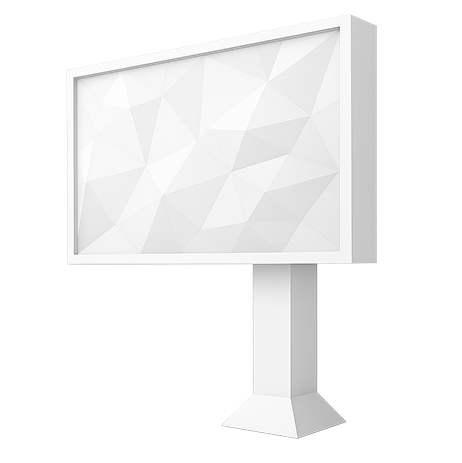
An electronic screen (display board) is an advertising device designed to display images on the screen surface using LEDs, lamps, other light sources, and reflective elements.
A display measuring approx. 1–3 × 1.8–4 m, where printed advertising images are dynamically rotated at set intervals via a scrolling mechanism.
A display measuring approx. 3 × 6 m or 3 × 12 m, consisting of three-sided prisms that synchronously rotate to change the image at fixed intervals.
Advertising structure installed at least 6 m above ground level, up to 1.1 m in width and 15 m in length, suspended between two separate poles or between buildings using mounting hardware and steel cables.

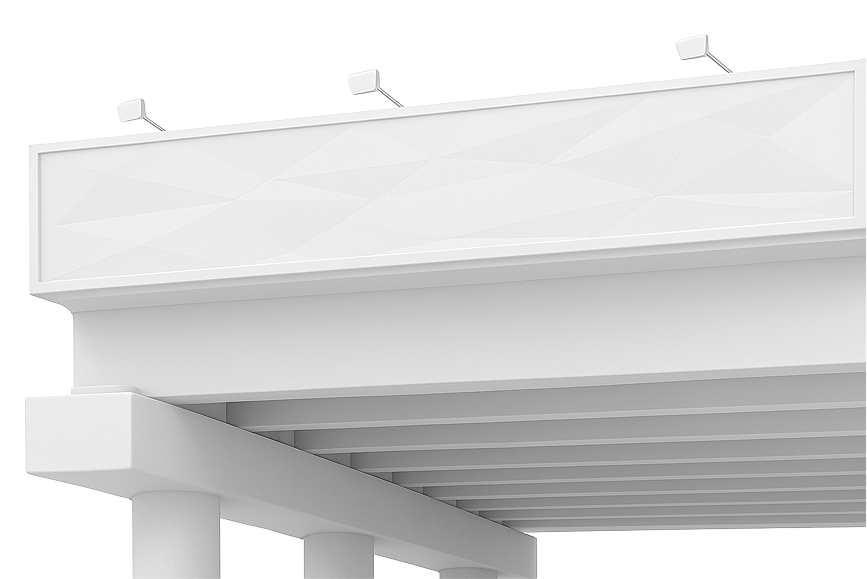
Horizontal advertising placed on the side of bridges or pedestrian overpasses (on non-pedestrian areas).
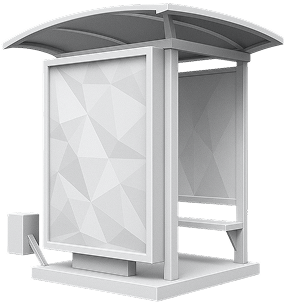
Double-sided advertising display installed at bus shelters, up to 1.3 m wide and 2.1 m long, with a supporting pole height up to 0.6 m.
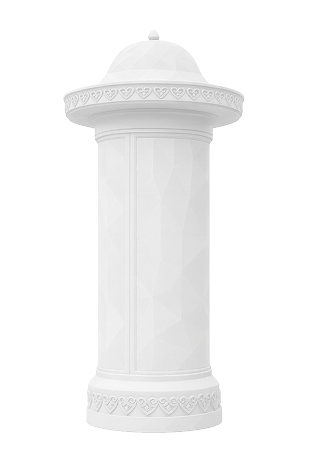
Circular or triangular advertising structure with three external faces and internal illumination.
Static or digital advertising displayed on payment terminals.
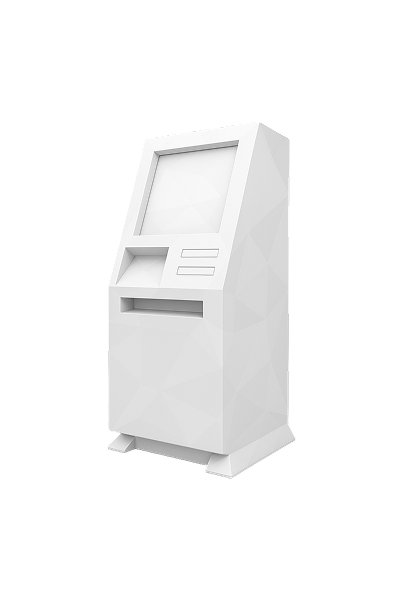
Static or digital advertising displayed on automated vending kiosks.
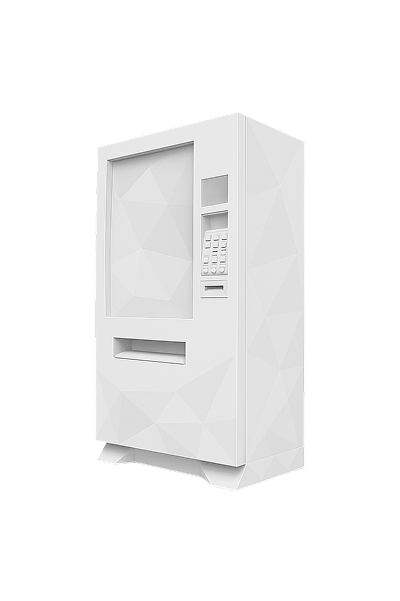
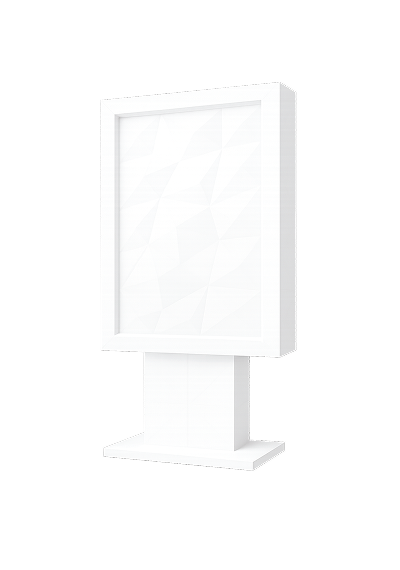
Small, double-sided, internally illuminated display with dimensions up to 1.30 × 2.10 m, mounted on a base with a height of 0.40–0.60 m.
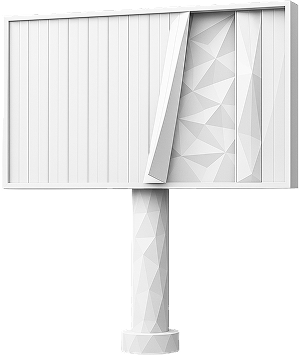
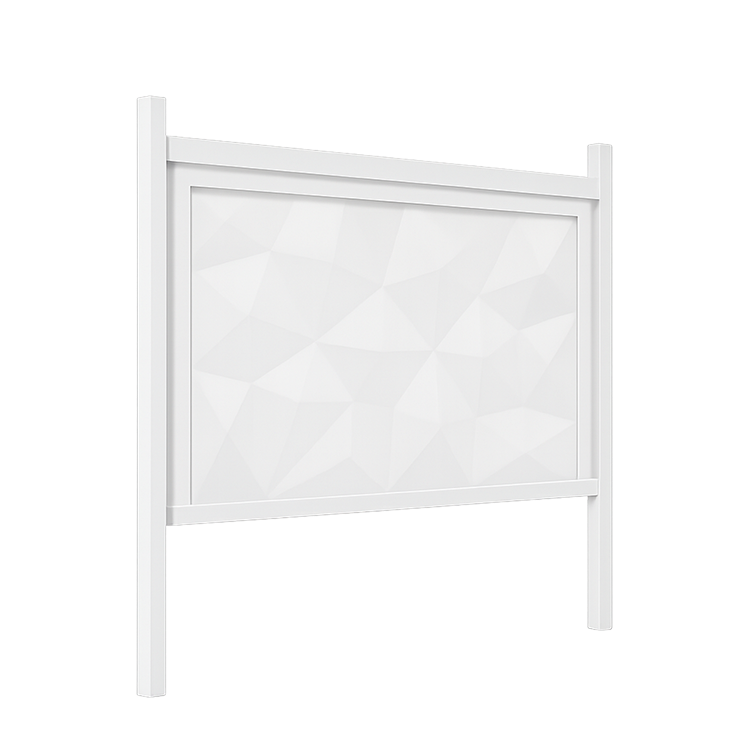
Advertising structure with one face measuring 2–4 × 4–8 m, mounted on a supporting pole 2.20–8 m high. No more than 3 display faces; single-sided billboards must have a decorative rear panel.
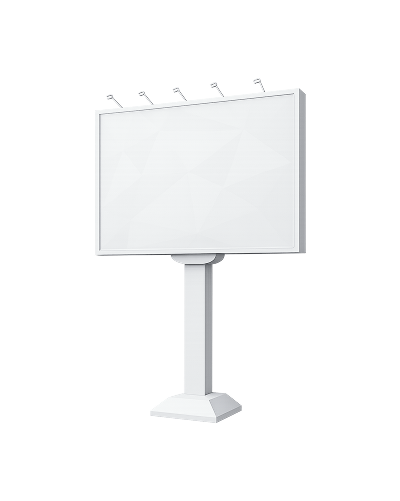
One face measuring 4–6 × 8–15 m, mounted on a supporting pole 8–18 m high. Single-sided units must have a decorative rear panel.
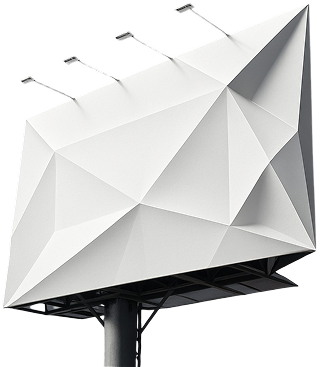
Small, single or double-sided, internally illuminated panel mounted on building façades, light poles, or separate posts.
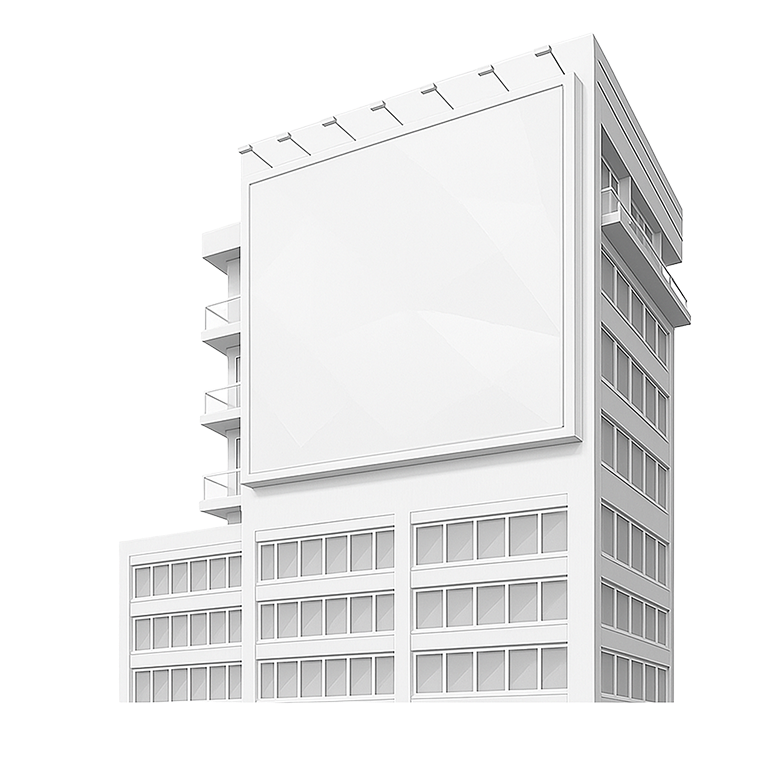
Large-format advertising placed on building walls without windows, equipped with external lighting, minimum size 9 m².
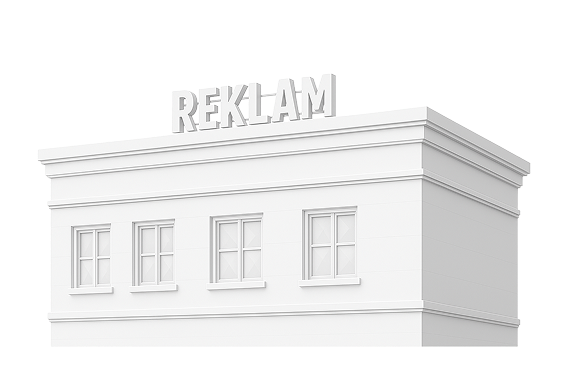
3D letters or logos installed on building rooftops, with height limits depending on building floors. Length must not exceed 80% of façades up to 35 m and 50% for façades over 35 m.
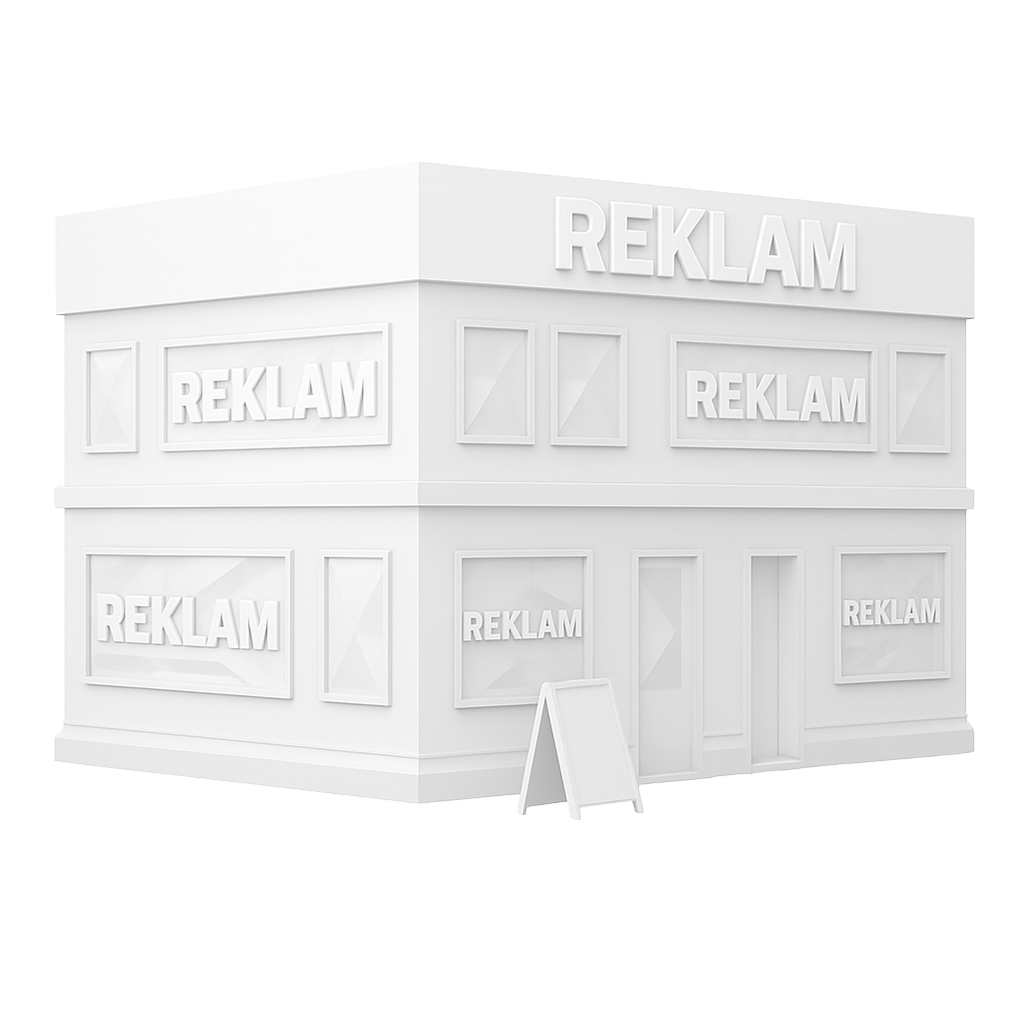
Advertising structures placed on façades above entrances, between windows of the first and second floors, with projection up to 0.2 m, covering no more than 1/10 of the total façade area.
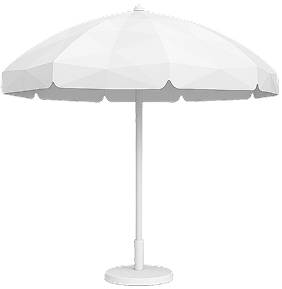
Advertising applied to umbrellas at outdoor commercial or service venues.
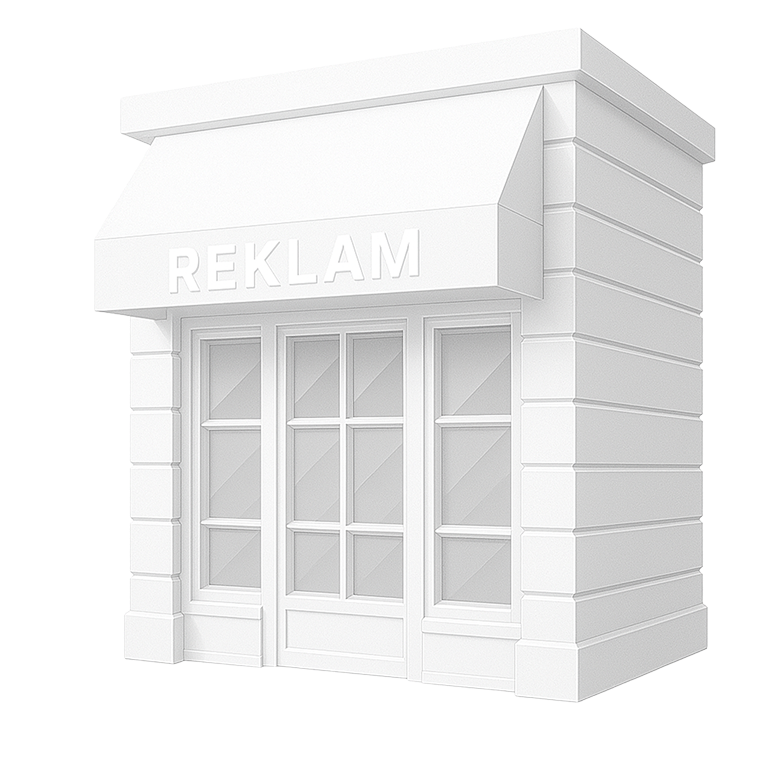
Advertising placed on awnings above windows, doors, or storefronts.
Double-sided stationary flag consisting of a base, flagpole, and fabric.

Structure displaying theatre, cinema, sports, and event programmes, up to 2 m wide and 2.5 m long, with lower edge no more than 0.5 m from the ground.
A balloon-shaped advertising structure with one advertising surface measuring 2–4 × 4–8 meters and a support pole height of 2–8 meters.
If it is single-sided, the reverse side must have a decorative finish.
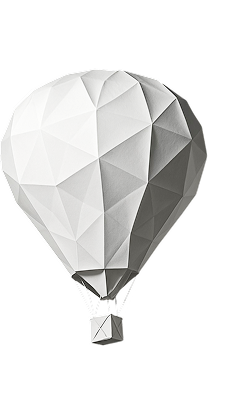
Custom-designed advertising structures with a three-dimensional spatial form, where both the surface and volume are used for displaying advertisements (e.g., balloons, airships, aerostats).
Their dimensions are defined individually according to the approved design project.
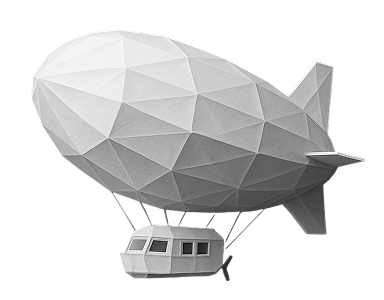
Custom-designed advertising structures with a three-dimensional spatial form, where both the surface and volume are used for displaying advertisements (e.g., balloons, airships, aerostats).
Their dimensions are defined individually according to the approved design project.
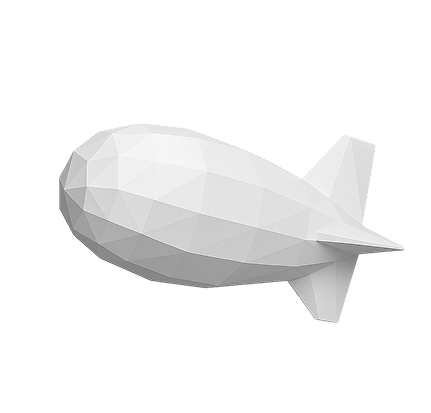
Non-standard advertising structures designed individually, with their shape, volume, or surface used for displaying advertisements.